28 Fall One-Pot Recipes for Busy Weeknights
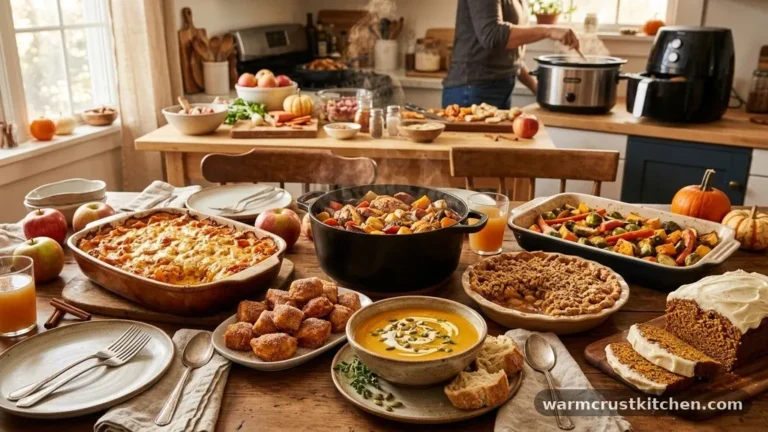
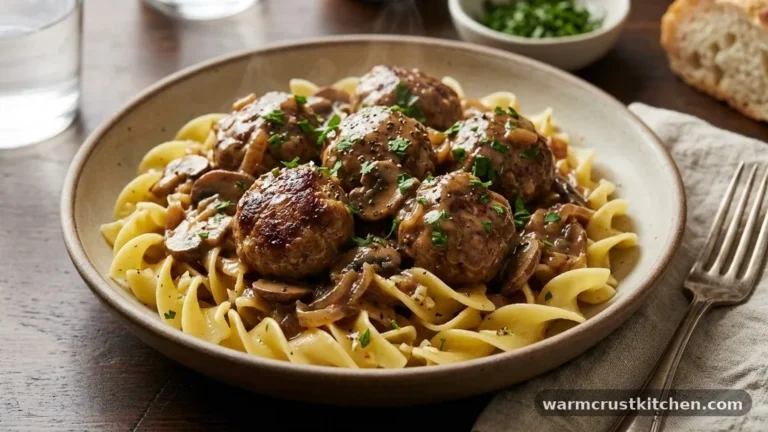
Preparing nourishing meals during the crisp, colder months shouldn’t feel like a chore. Utilizing fall one-pot recipes for busy weeknights allows you to enjoy robust, comforting flavors while minimizing the time spent scrubbing dishes after a long day. These streamlined cooking methods focus on simplicity, ensuring you can get a healthy dinner on the table without hours of labor.
Whether you prefer a hearty soup, a creamy pasta, or a savory skillet roast, these options provide the warmth you crave when the temperature drops. Embracing efficient cooking techniques makes it possible to enjoy home-cooked goodness every single evening.
- Prep time: 15 minutes
- Cook time: 30 minutes
- Total time: 45 minutes
- Servings: 4
- Calories: 420 per serving
Ingredients
- 1 lb Italian sausage, casings removed
- 1 tbsp olive oil
- 1 large yellow onion, finely diced
- 3 cloves garlic, minced
- 2 cups butternut squash, peeled and cut into 1/2-inch cubes
- 1 cup arborio rice
- 3 cups low-sodium chicken broth
- 1/2 cup heavy cream
- 2 cups fresh baby spinach
- 1/2 cup grated parmesan cheese
- 1/2 tsp dried sage
- Salt and black pepper to taste
Instructions
- Heat the olive oil in a large deep skillet or Dutch oven over medium-high heat.
- Add the sausage and cook, breaking it into small pieces with a wooden spoon, until browned, about 6 minutes.
- Stir in the diced onion and cook until softened and translucent, about 4 minutes.
- Add the minced garlic and cubed butternut squash, sautéing for another 3 minutes until fragrant.
- Stir in the arborio rice, coating it well with the fat in the pan for 1 minute.
- Pour in the chicken broth and sprinkle with dried sage, bringing the mixture to a gentle boil.
- Reduce heat to low, cover the pot, and simmer for 18 to 20 minutes, or until the rice is tender and the squash is soft.
- Remove the lid and stir in the heavy cream and baby spinach, cooking until the spinach wilts, about 2 minutes.
- Fold in the parmesan cheese and season with salt and pepper before serving warm.
Tips
- Substitute the Italian sausage with ground turkey or chickpeas for a lighter variation.
- Ensure your squash cubes are uniform in size to guarantee they cook evenly alongside the rice.
- Store leftovers in an airtight container in the refrigerator for up to three days.
- Reheat gently on the stovetop with a splash of extra broth if the rice absorbs too much liquid.
- Avoid over-stirring the rice during the first 10 minutes of simmering to prevent it from becoming overly gummy.
The Appeal of One-Pot Cooking
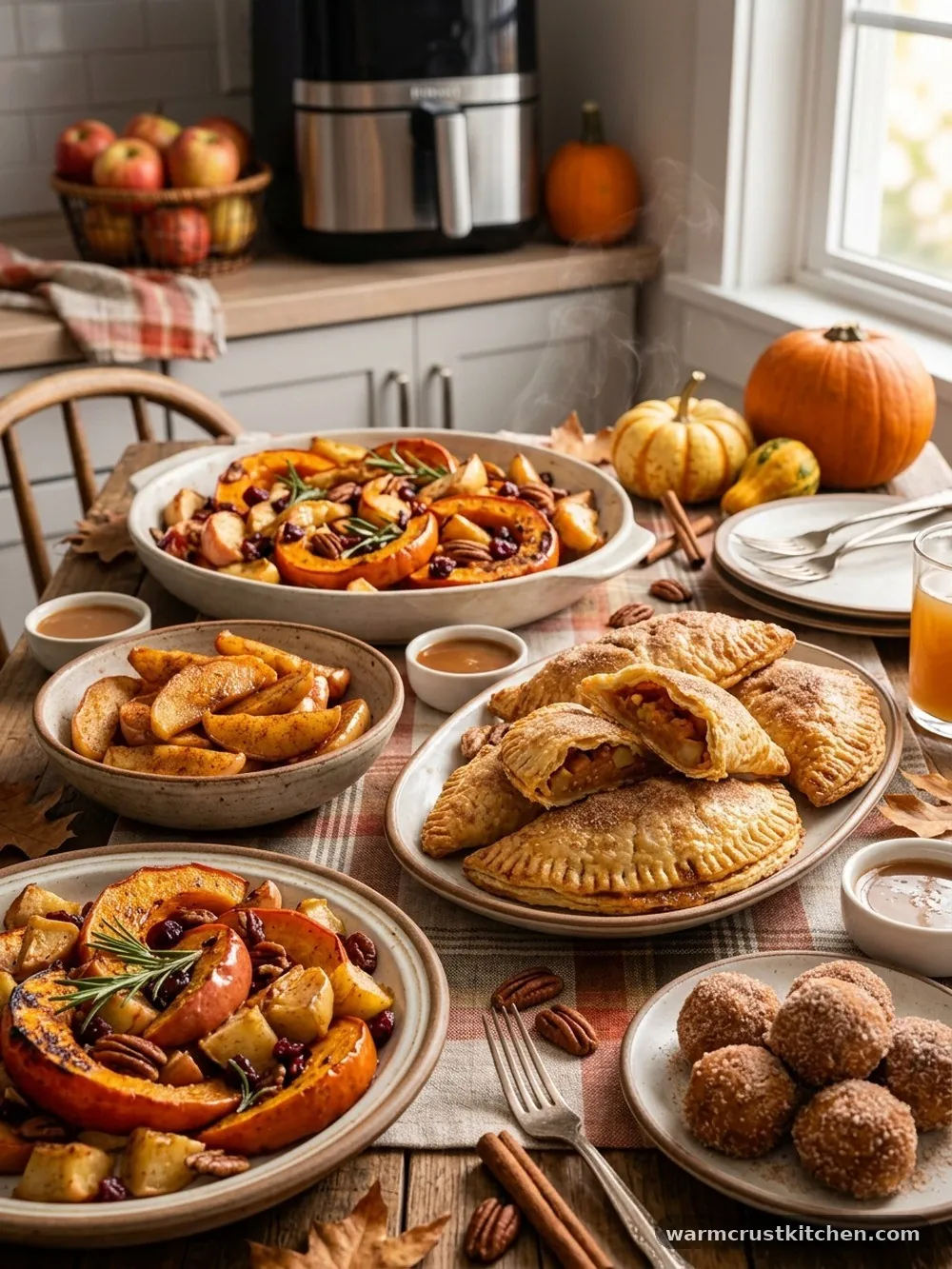
One-pot cooking is fundamentally about reducing friction in the kitchen. When you consolidate your cooking into a single vessel, you eliminate the need for multiple pans, colanders, and prep bowls.
This approach is particularly helpful during the busy autumn season when schedules tighten and the desire for cozy, warm food increases. By mastering these techniques, you spend less time cleaning and more time relaxing with your family.
Efficiency does not mean sacrificing quality or taste. Many classic autumn ingredients, such as root vegetables and hearty grains, actually benefit from cooking together.
The flavors meld in a way that is difficult to replicate when components are prepared separately. You get a deeper, more cohesive profile in your final dish because the juices from the protein and the starch of the grains interact directly throughout the cooking process.
Selecting the Right Equipment
Having the correct gear makes a significant difference in how effectively you can execute these meals. A heavy-bottomed Dutch oven is the gold standard for one-pot cooking.
Its thick walls distribute heat evenly, preventing hot spots that might scorch your ingredients. This consistency is vital when you are balancing delicate grains or thickening sauces.
If you don’t have a Dutch oven, a high-sided stainless steel skillet works well for many recipes. Look for one with a tight-fitting lid to trap steam, which is essential for cooking rice or pasta within the sauce.
A good, reliable pan ensures that your fall one-pot recipes for busy weeknights turn out perfectly every time. If you want to dive deeper into equipment care and selection, consult resources like the science of kitchen cookware for expert insights.
Managing Seasonal Ingredients
Fall brings a bounty of produce that is naturally suited for slow-simmered dishes. Butternut squash, acorn squash, and pumpkin add natural sweetness and a creamy texture to savory meals.
These ingredients are hardy enough to withstand the heat of a one-pot method without turning to mush too quickly. Preparing them correctly involves peeling and dicing them into consistent sizes so they finish cooking at the same time as your protein or pasta.
Beyond squash, don’t overlook the importance of aromatics. Leeks, shallots, and garlic provide the foundation of flavor for most seasonal dishes.
When you sauté these first, you build a flavor base that permeates the entire meal. Adding fresh herbs like thyme, sage, or rosemary toward the end of the cooking process preserves their volatile oils and ensures a bright, fragrant finish.
Balancing Flavors and Textures
A great one-pot meal requires a balance of savory, sweet, and acidic elements. If a dish feels heavy or one-dimensional, a small splash of acid can brighten the entire profile.
A squeeze of lemon juice, a dash of cider vinegar, or even a splash of white wine can cut through the richness of cream or sausage. This balance is what transforms a simple dinner into a memorable one.
Texture is another critical component that is often overlooked in rapid cooking. Since one-pot meals often rely on simmering, you can easily end up with a dish that is entirely soft.
To counter this, consider adding crunchy toppings right before serving. Toasted nuts, seeds, or even crispy fried onions can add a necessary contrast to a creamy risotto or a soft vegetable stew.
Adapting for Weeknight Constraints
Speed is the primary requirement for most home cooks during the work week. To save time, do your chopping while the pan is heating up rather than waiting until everything is ready.
Having your ingredients prepped on a single cutting board allows you to move quickly from one step to the next. This habit keeps the momentum going and prevents the cooking process from stalling.
Another trick is to lean on pantry staples that cook quickly. Couscous, orzo, and quick-cooking lentils are excellent additions to one-pot meals because they don’t require long simmering times.
If you have pre-cooked proteins, like rotisserie chicken or leftover sausage, add them in during the final stages of cooking just to warm them through. This keeps your total kitchen time under 30 minutes while still delivering a complex, home-cooked result.

Storage and Reheating Strategies
One-pot meals are notorious for tasting even better the next day. As the dish sits in the refrigerator, the flavors continue to marry, which often results in a more cohesive taste.
When storing, ensure the food has cooled slightly before putting it into an airtight container. This prevents excess condensation from forming, which can make the meal soggy.
Reheating these meals requires a gentle touch to avoid overcooking the ingredients. If you are reheating on the stove, add a small amount of liquid, such as water or broth, to loosen the sauce. This helps restore the original consistency.
Avoid using high heat, which can cause the bottom of the dish to scorch before the middle is hot. A slow, steady heat is your best friend when reviving a hearty autumn dinner.
Common Mistakes to Avoid
One common error is overcrowding the pan. When you add too many ingredients at once, the temperature drops, and your food begins to steam rather than sear.
This prevents the development of those deep, caramelized flavors that are so important for a satisfying dinner. If you have a large amount of ingredients, cook them in batches if necessary, or use a wider vessel to ensure even heat distribution.
Another mistake is adding liquid too early or in too large a quantity. It is much easier to add more broth as you go than it is to fix a soup that is too thin.
Start with just enough liquid to cover the base ingredients and monitor the consistency throughout the cooking process. You want the sauce to reduce and thicken naturally, wrapping your ingredients in a delicious coating.
Frequently Asked Questions
Can I use frozen vegetables in these recipes?
Yes, frozen vegetables are a convenient option for weeknight cooking. Add them toward the end of the cooking process so they don’t lose their structure or become mushy.
What is the best way to prevent pasta from sticking in a one-pot meal?
Stirring is essential. Because the pasta releases starch into the sauce as it cooks, you must stir frequently to ensure it doesn’t settle at the bottom of the pot.
Can I make these recipes vegetarian?
Absolutely. You can easily swap out sausage for plant-based alternatives, mushrooms, or hearty beans. Just ensure you adjust your seasoning to compensate for the flavor lost from the meat.
How do I know when the rice or grains are fully cooked?
The grains should be tender but still retain a slight bite, known as al dente. If the liquid has evaporated but the grains are still hard, add a splash more broth and cover the pot for a few more minutes.
Is it necessary to brown the meat first?
While you could skip this step, browning the meat is crucial for developing flavor. The browned bits left on the bottom of the pan, known as fond, provide a depth of flavor that a one-pot meal would otherwise lack.
Conclusion
Mastering fall one-pot recipes for busy weeknights gives you a reliable toolkit for stress-free dinners. By focusing on smart ingredient combinations and efficient cooking techniques, you can enjoy the comforting flavors of the season without the burden of a messy kitchen. These meals prove that you don’t need hours to create something truly delicious and nourishing for yourself or your family.
Start by experimenting with the basic proportions of liquid to starch, and don’t be afraid to adjust seasonings to your personal preference. As you become more comfortable with the rhythm of one-pot cooking, you’ll find it easier to adapt your favorite ingredients to fit your schedule.
We hope you enjoy the process of creating these cozy, simple dinners throughout the autumn months. Feel free to share your own favorite variations or ask questions about how to adapt specific ingredients to your meal rotation.
28 Fall One-Pot Recipes for Busy Weeknights
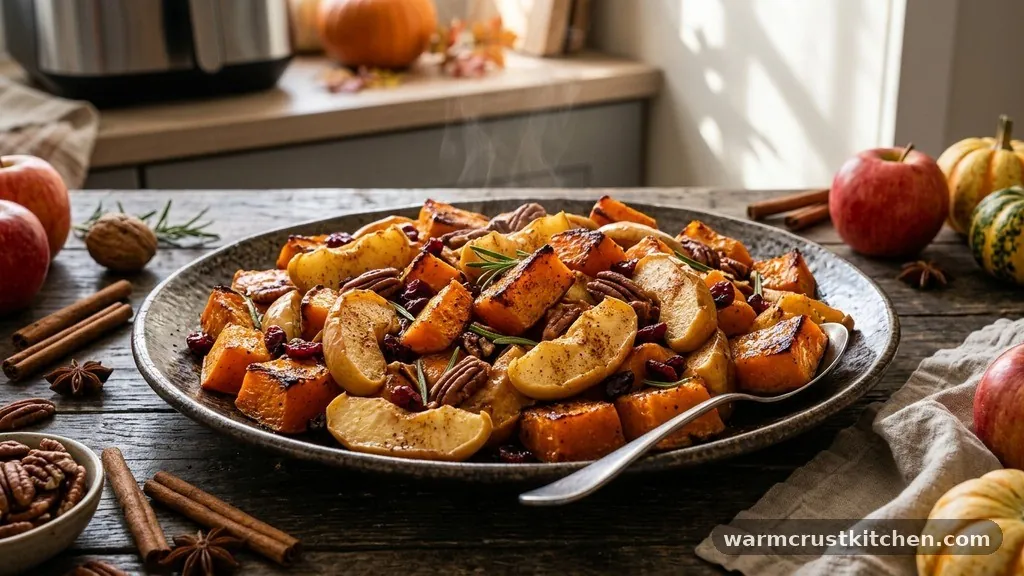
Preparing nourishing meals during the crisp, colder months shouldn’t feel like a chore. Utilizing fall one-pot recipes for busy weeknights allows you to enjoy robust, comforting flavors while minimizing the time spent scrubbing dishes after a long day.
Ingredients
- 1 lb Italian sausage , casings removed
- 1 tbsp olive oil
- 1 large yellow onion, finely diced
- 3 cloves garlic, minced
- 2 cups butternut squash , peeled and cut into 1/2-inch cubes
- 1 cup arborio rice
- 3 cups low-sodium chicken broth
- 1/2 cup heavy cream
- 2 cups fresh baby spinach
- 1/2 cup grated parmesan cheese
- 1/2 tsp dried sage
- Salt and black pepper to taste
Instructions
- Heat the olive oil in a large deep skillet or Dutch oven over medium-high heat.
- Add the sausage and cook, breaking it into small pieces with a wooden spoon, until browned, about 6 minutes.
- Stir in the diced onion and cook until softened and translucent, about 4 minutes.
- Add the minced garlic and cubed butternut squash, sautéing for another 3 minutes until fragrant.
- Stir in the arborio rice, coating it well with the fat in the pan for 1 minute.
- Pour in the chicken broth and sprinkle with dried sage, bringing the mixture to a gentle boil.
- Reduce heat to low, cover the pot, and simmer for 18 to 20 minutes, or until the rice is tender and the squash is soft.
- Remove the lid and stir in the heavy cream and baby spinach, cooking until the spinach wilts, about 2 minutes.
- Fold in the parmesan cheese and season with salt and pepper before serving warm.
Similar Posts
Easy Homemade Cinnamon Applesauce Recipe
Creating an easy Homemade Cinnamon Applesauce Recipe is one of the most rewarding ways to enjoy fresh orchard fruit during the harvest season. By simmering just a few pantry staples, you can produce a warm, comforting treat that tastes worlds better than the store-bought versions. This simple preparation method allows you to control the sweetness…
Simple Smoked Sausage and Zucchini Skillet
Preparing a simple Smoked Sausage and Zucchini Skillet offers a reliable way to get a nutritious, flavorful meal on the table in under forty-five minutes. This one-pan dinner combines the savory depth of cured meats with the mild, fresh notes of seasonal garden produce. It works perfectly for busy weeknights when you need something hearty…
Moist Double Chocolate Zucchini Bread Recipe
Finding a reliable way to use up a bumper crop of squash is a summer tradition, and this Moist Double Chocolate Zucchini Bread Recipe is the perfect solution. By balancing the earthy flavor of fresh garden vegetables with the decadence of high-quality cocoa, you create a treat that feels like an indulgence while hiding a…
Easy Crockpot Meatballs
Making easy Crockpot Meatballs is a reliable way to get a comforting dinner on the table without constant monitoring. Whether you need a quick appetizer for a party or a hearty main course for your family, this method provides consistent results with minimal effort. You will learn how to combine simple pantry staples into a…
Caramel Apple Crisp Muffins
Baking a batch of warm, spiced Caramel Apple Crisp Muffins is the perfect way to transform seasonal fruit into a bakery-quality treat. These muffins combine the tender crumb of a classic apple cake with the crunchy, buttery texture of a traditional fruit crisp. By incorporating rich swirls of caramel and a generous streusel topping, you…
47 Easy Fall Dinners for Busy Nights
Finding reliable, comforting, and easy Fall Dinners for Busy Nights is essential when the temperature drops and your schedule fills up. You want meals that warm you from the inside out without requiring hours of standing over a hot stove after a long workday. This collection provides the structure you need to get dinner on…